








Art therapy as a practice can aid in disruption of social hierarchies that place transgender and other marginalized communities at a disadvantage.
Therapists and counselors should not seek to alter a client’s gender identity, rather support clients as they explore gender concerns and alleviate gender dysphoria.
Non-verbal activities, such as drawings, paintings, or collage, can help transgender clients explore their thoughts, feelings, and beliefs about gender and their gender identity.
Art making can be used in combination with mindfulness, breathing techniques, and imagery to develop self-soothing and self-compassion for the individual, which can provide relief from the internal criticism and shame that transgender individuals often struggle with as a result of being marginalized and other social or familial influences.

Think about your own gender identity. Try creating a representation of “woman” and “man”. Create a representation of yourself.
Where do you find yourself on the gender spectrum? Does “man” or “woman” fit? Both? Neither?
How does it feel to think deeply about your own gender identity? It might feel difficult, joyful, confusing, sad, affirming, or any number of different emotions.
What are these feelings telling you?
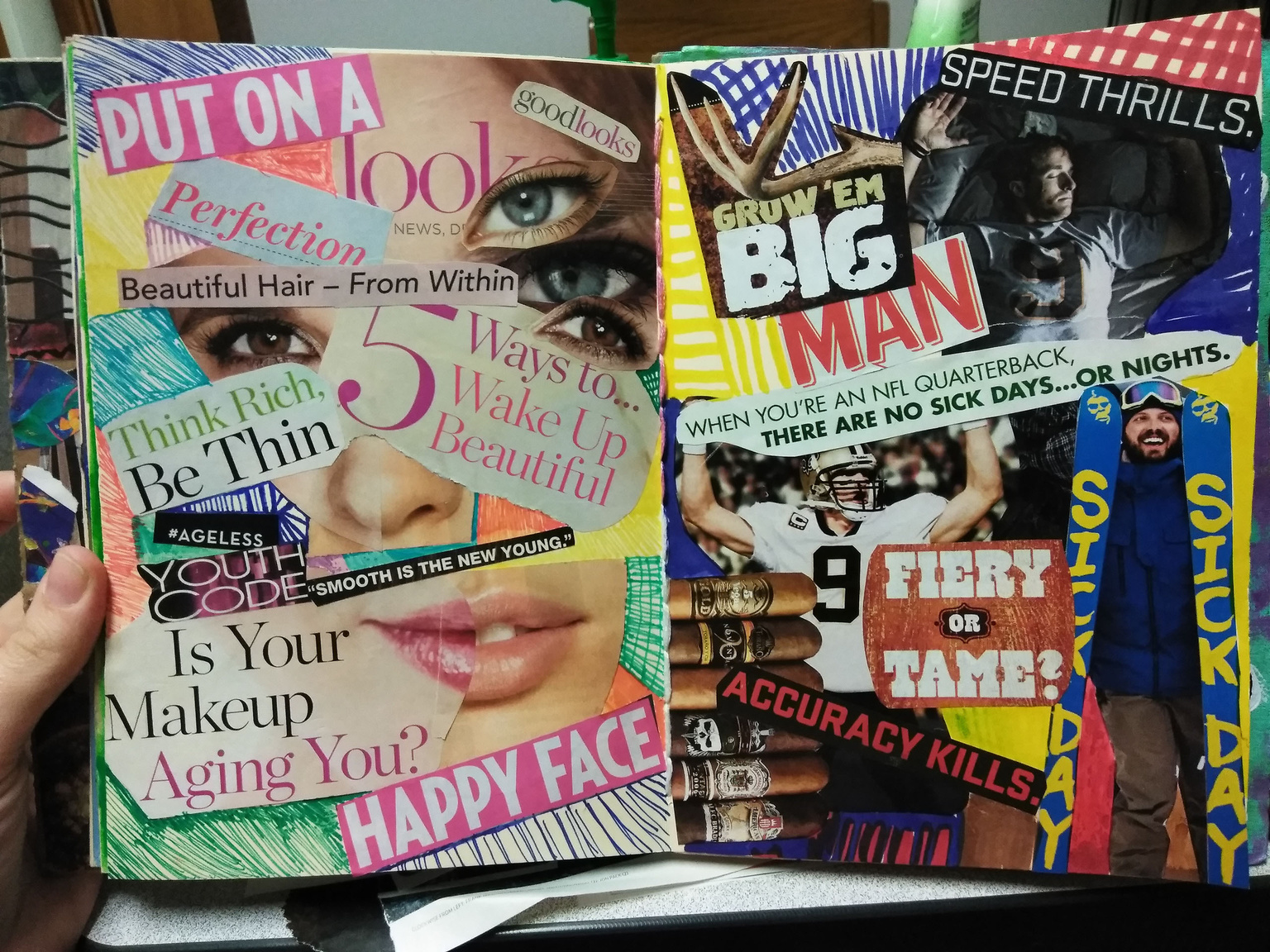
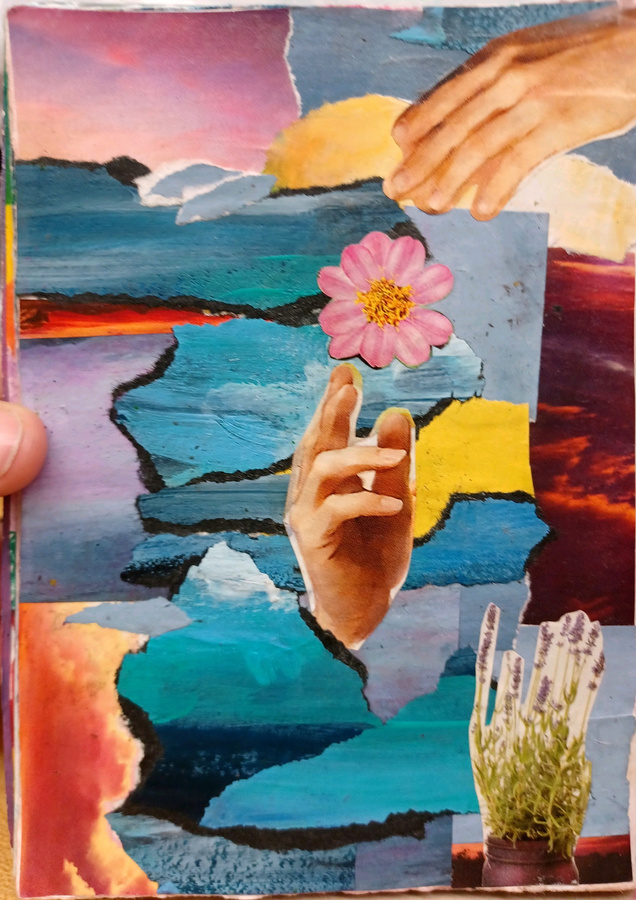
A collage depicting my personal reflections on the identities of “woman” and “man”.
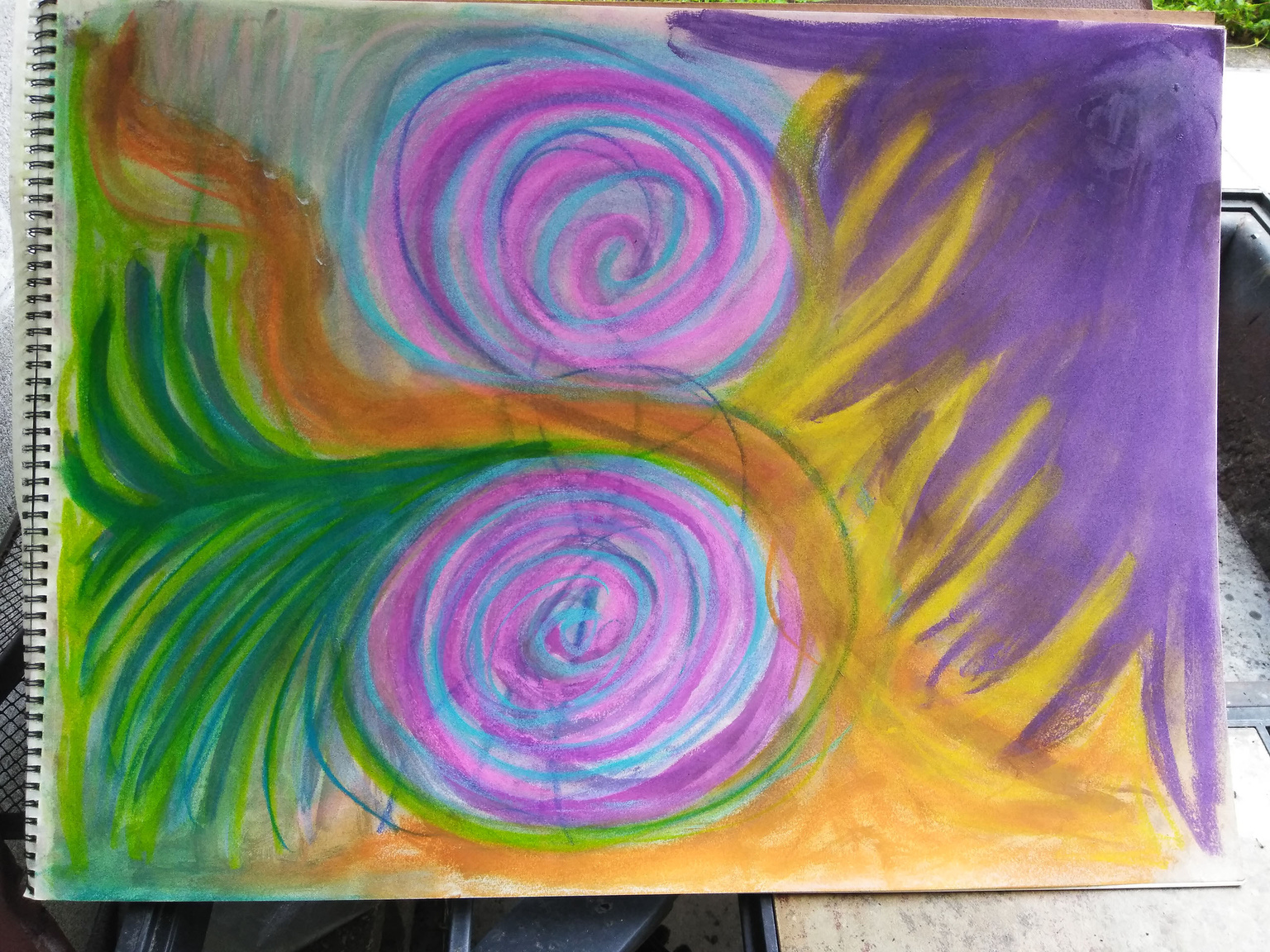
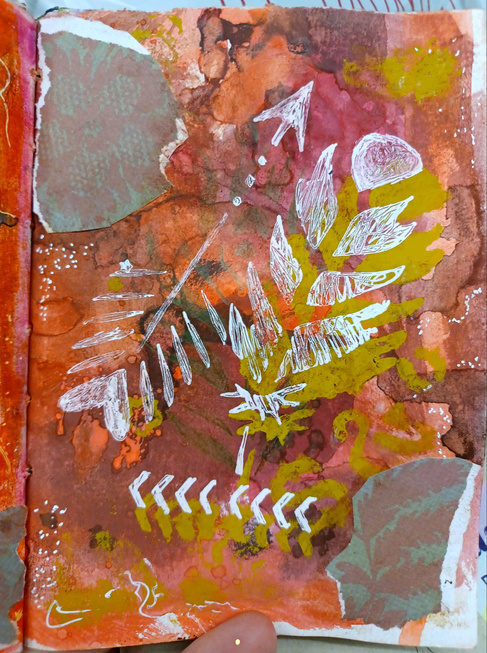
A pastel drawing of my experience of my gender. Not quite “man” or “woman”, a little bit of everything.



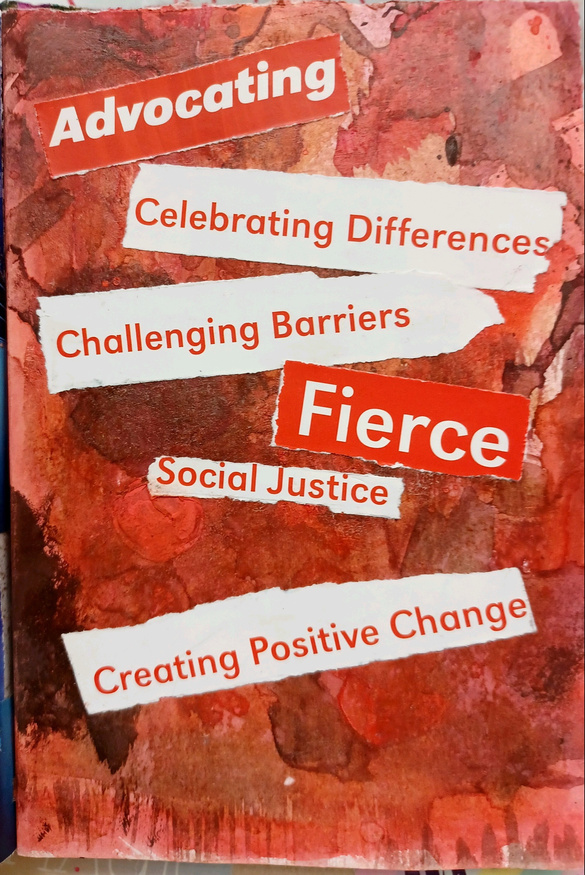
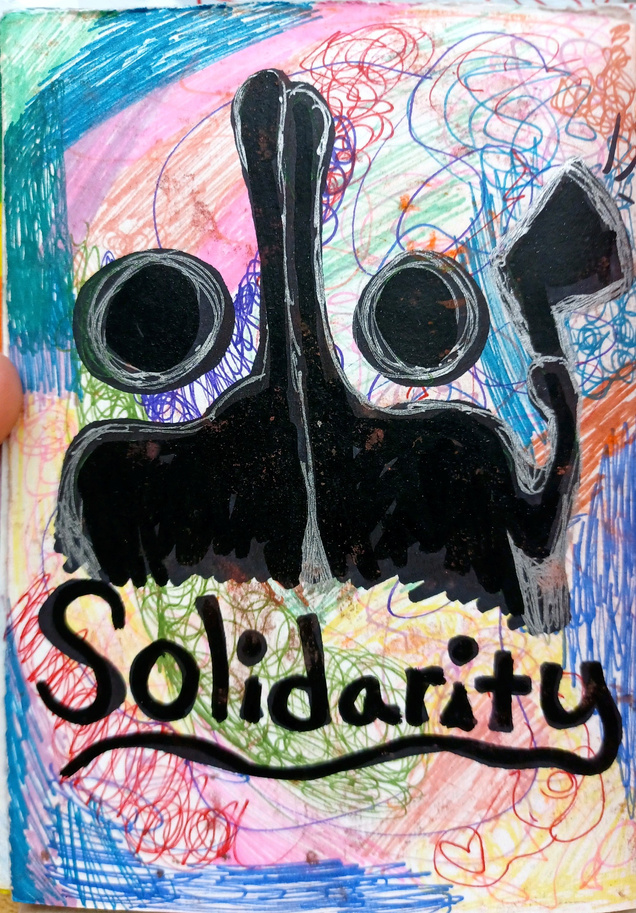
Social Justice Within Art Therapy
Social Justice Within Art Therapy
How to support and be a better ally to trans folks
A banner showing the different color schemes of some pride flags that fall under the Transgender umbrella